Missing a tooth or multiple teeth can be a daunting experience, but there's a solution - dental implants. This article will provide a complete guide to dental implants, including how they work, the different types of implant scenarios, and whether you are a suitable candidate. Let's start by understanding what dental implants are.
What Are Dental Implants?
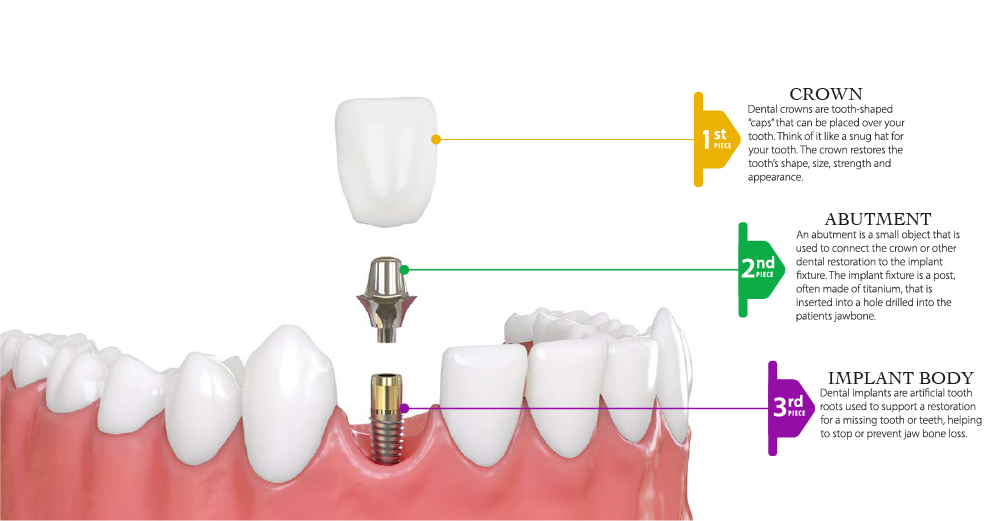
A dental implant is a small screw made of titanium that serves as a replacement for the root of a missing natural tooth. The biocompatibility of titanium allows the dental implant to fuse with the bone and provide a secure anchor for the replacement tooth. Proper oral hygiene and regular visits to the dentist are crucial for maintaining dental implants just like natural teeth. Certain factors such as smoking and chronic conditions like diabetes can decrease the success rate and delay healing.
Am I a Suitable Candidate for Dental Implants?
Evaluating the health of your gums, teeth, and bone through X-rays is essential to determine if you are a suitable candidate for dental implants. Patients taking intravenous or oral bisphosphonates may be at a higher risk for osteonecrosis, which results from a lack of blood supply to the bone, and dental implants may be contraindicated.
Types of Implant Scenarios
Single Tooth Missing
To replace a single missing tooth, a dental implant can be used without affecting the adjacent teeth, unlike a traditional dental bridge.
All Teeth Missing
There are two options for replacing all teeth with dental implants.
Option 1 (All-On-Six)
Involves placing a full set of implants (up to 8 on the upper jaw and at least 6 on the lower jaw) and using zirconium crowns on the upper and lower jaws.
Option 2 (All-On-Four)
Involves placing 4 implants on the upper and lower jaws, followed by the use of a click system acrylic cast denture that snaps onto the implants.
All-Inclusive Package
Dental Implants Premium Offer
Get premium dental implants, free hotel accommodation, VIP transfers, and more in our exclusive package.
To prepare the jawbone for dental implant placement, a bone augmentation procedure may be necessary when the jawbone has significantly decreased in strength and thickness due to a long period of tooth loss.
Sinus Lift
In cases where there is not enough bone height in the upper jaw, a sinus lift procedure may be required to raise the sinus floor and provide sufficient space for the placement of dental implants.
Benefits of Dental Implants
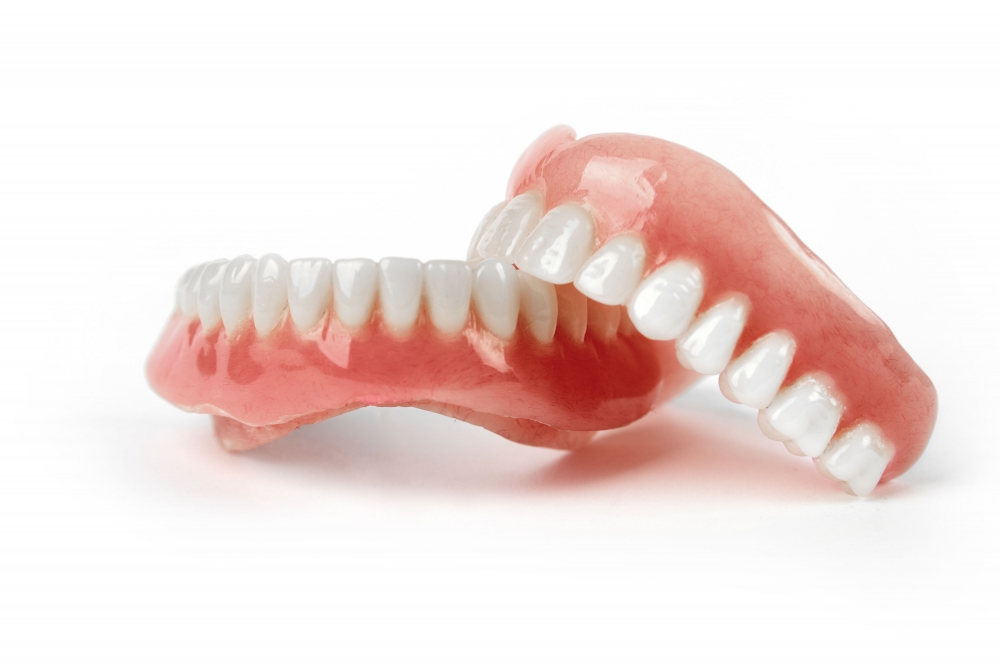
Dental implants both feel and look like your natural teeth with no chewing or speaking difficulties or “clicking” noises that can occur with dentures. In addition, they’ll give you back your smile, enabling you to enjoy yourself socially without being self-conscious.
You can brush and floss your dental implants just like regular teeth. Prosthesis over implants don’t have to be removed before sleeping at night either, which allows you to maintain your lifestyle at any hour.
The way implants are installed ensures that there will not be any slippage, so you will not have to worry — as sometimes happens with dentures.
The materials used in the implants (typically titanium) are durable and biocompatible, so the chances of either damage or an allergic reaction are minimised.
Unlike bridges, implants don’t rely on neighbouring teeth for support, which can help protect remaining teeth from damage. And, unlike dentures, bone loss is usually avoided since dental implants actually replace the tooth and its root.
Dental implants are considered long-term replacements that can last a lifetime provided that they are maintained properly, while bridges and removable dentures may need replacing every 7 to 10 years.
All-Inclusive Package
Dental Implants Premium Offer
Get premium dental implants, free hotel accommodation, VIP transfers, and more in our exclusive package.
Before having the procedure, a full oral examination will be performed by your dentist and oral surgeon. OPG (panoramic x-ray) or CT scan of the patient will also be evaluated before the consultation. These are used to analyse the density of the bone where the implant(s) will be placed. Local anaesthesia is adequate for this procedure as the only pain you experience is the prick of the anaesthesia needle and some amount of pressure.
Please remember to eat and drink fluids (non-alcoholic) as normal before the procedure, do not miss breakfast and take all of your medications at normal times.
During The Procedure
Phase 1
Once your dentist is assured that your jawbone is healthy enough to receive an implant, the gum tissue is opened and a channel is created deep into the bone to place the implant with a special drill under local anaesthesia.
Depending on the density and anatomic structure of the bone your dentist will choose the type as well as the length of the implant. The implant is then placed in the channel and the gum is sutured or stitched back. In some cases, your dentist may not close the gum and place an abutment directly on to the implant.
If you already use a denture, you will continue to use it during the healing process, otherwise, a temporary prosthesis might be placed. Current dentures might be adjusted to fit better when needed.
The healing time is usually 3 to 6 months. During the healing period, the implant fuses to the bone and acts like a natural tooth root. Upon successful osseointegration, which is the structural connection that forms between your natural jawbone and the titanium implant, you move forward to the next phase.
Phase 2
The gum is re-opened to expose the implant. Then an abutment is screwed and tightened to the dental implant using special dental equipment. After this is done, a temporary crown is placed onto the abutment as the abutment needs to be protected from biting forces to ensure successful healing. The temporary crown is used for a few days until the permanent crown is ready.
After The Procedure (After-Care)
Avoid hot drinks or hot food for the first day.
Do not eat until the local anaesthetic loses effect.
Try not to rub or touch the area with your fingers or tongue.
Try to wear your denture as little as possible if it covers the implant area. If the denture does not seem to fit properly after your surgery, then you should have it adjusted. A badly fitting denture can damage a healing implant.
Stitches are normally dissolvable; they usually remain around 2–3 weeks.
A patient should avoid excessive exercise up to 48 hours post-surgery.
Conclusion
Dental implants provide a reliable and long-lasting solution for missing teeth with success rates of around 95%. If you are considering dental implants, it's important to consult with a qualified dental professional to determine if you are a suitable candidate, and discuss the specific details of the treatment, including duration and cost. Smile with confidence once again by choosing dental implants as your replacement option for missing teeth.
PREMIUM IMPLANT BRANDS WE USE
Frequently Asked Questions (FAQs)
Dental implants are small screws, typically made of titanium, that serve as a replacement for the root of a missing natural tooth. They fuse with the bone and provide a secure anchor for the replacement tooth.
The different types of implant scenarios include single teeth missing, multiple teeth missing, and all teeth missing. In the single tooth missing scenario, a single dental implant is used. In the multiple teeth missing scenario, an implant bridge is used to fill the gap. In the all-teeth missing scenario, there are two options: option 1 involves the placement of a full set of implants and zirconium crowns, while option 2 involves the placement of 4 implants with a click system acrylic cast denture.
To determine if you are a suitable candidate for dental implants, your gums, teeth, and bone health need to be evaluated through X-rays. You need to have enough bone to support the implant and healthy gums for the success of the surgery. If you are taking bisphosphonates, you may be at a higher risk for bone disease and dental implants may be contraindicated.
Bone augmentation is a procedure that may be necessary when a tooth has been missing for a long time and the strength and thickness of the jawbone have decreased significantly, a process known as jawbone resorption. This procedure adds bone mass to the area to prepare it for dental implant placement.
A sinus lift procedure may be required in cases where there is not enough bone height in the upper jaw to place dental implants. This procedure raises the sinus floor to provide enough space for the placement of dental implants.
The success rates of dental implants are typically around 95%.
For all teeth missing, two options are available. Option 1 involves the placement of a full set of implants (up to 8 on the upper jaw and at least 6 on the lower jaw) and the use of zirconium crowns on the upper and lower jaws. Option 2 involves the placement of 4 implants on the upper and lower jaws, followed by the use of a click system acrylic cast denture that snaps onto the implants.
Dental implants are small screws, typically made of titanium, that serve as a replacement for the root of a missing natural tooth. The biocompatible properties of titanium allow the dental implant to fuse with the bone and provide a secure anchor for the replacement tooth. Regular oral hygiene and dental visits are necessary to maintain the success of dental implants.
Factors such as smoking and certain chronic conditions such as diabetes may decrease the success rate and delay the healing of dental implants. Patients taking intravenous or oral bisphosphonates may also be at a higher risk for a bone disease called osteonecrosis, which results from a lack of blood supply to the bone. In these cases, dental implants may be contraindicated.
No, dental implants are made of materials that are not prone to decay, so they don't get cavities. However, it's still important to maintain good oral hygiene by brushing and flossing regularly.
Our clinic offers a comprehensive guide to dental implants, and related procedures and our dental professionals will determine if you are a suitable candidate and discuss the specific details of the treatment, including cost and duration. We strive to provide a reliable and long-lasting solution for missing teeth, ensuring the best possible outcome for our patients.
Get A Free Quote
Fill out the form below and our medical team will contact you within 24 hours.